






AI in plant engineering: use cases, examples & applications of planning, operation, safety & sustainability
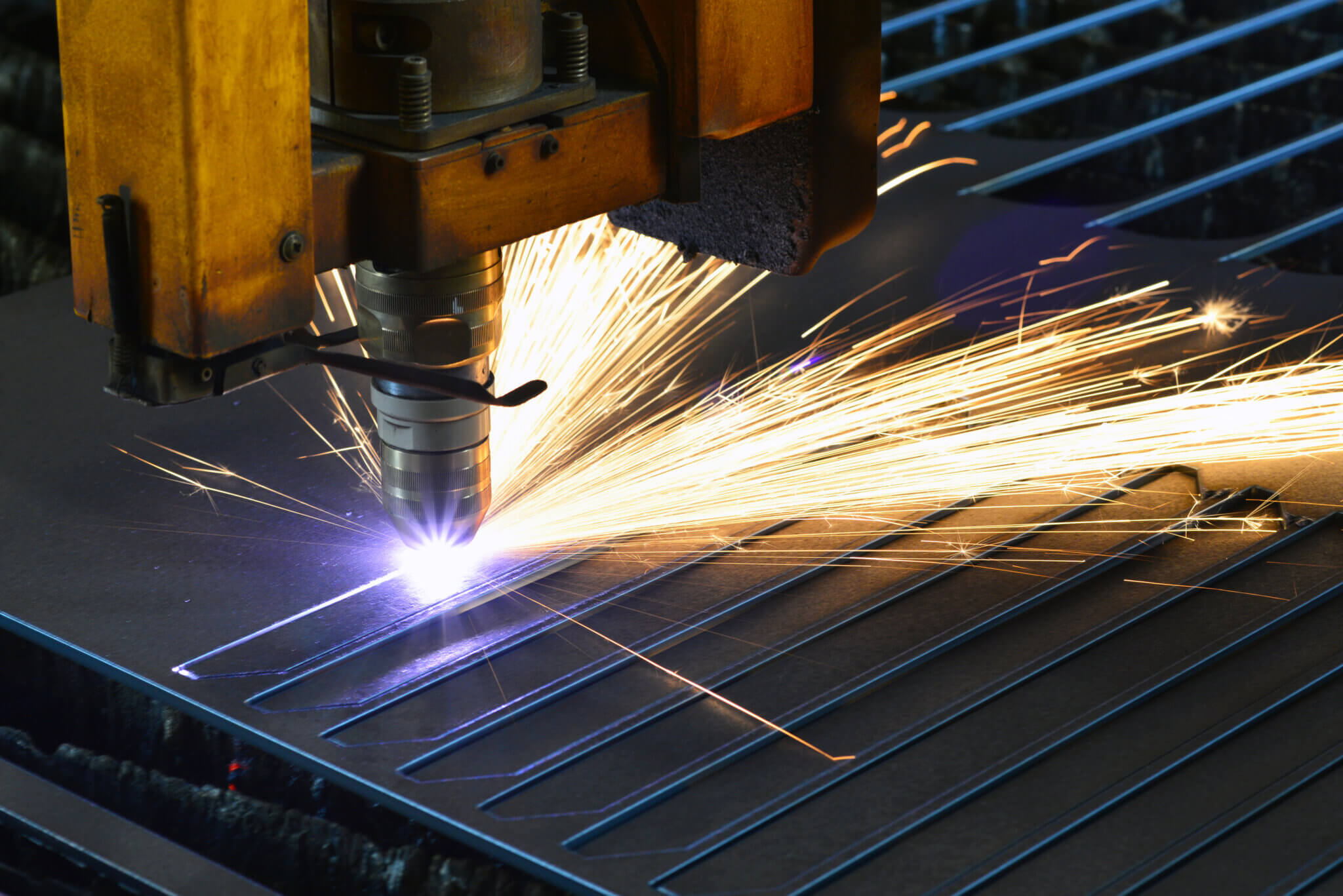
Artificial intelligence as a decisive lever for more efficient projects, safe processes and sustainable plants. The plant engineering industry is in a phase of profound change:
rising energy and raw material costs, stricter regulations (ATEX, SEVESO, EU AI Act), global supply chain risks, a shortage of skilled workers, high safety requirements and increasing project planning pressure. At the same time, data volumes from engineering tools, sensor technology, SCADA systems, simulations, laboratories, logistics systems and compliance requirements are exploding – but are rarely linked together. For plant engineering companies today, it is no longer about individual AI trial cases, but about the secure, scalable and economically viable introduction of AI along the entire project, operations and value chain.

Executive summary -
AI use cases in plant engineering at a glance
- Strategic role: AI is becoming the central enabler for CAPEX efficiency, OPEX optimization, security and sustainable transformation in a highly regulated market.
- Operational benefits: AI improves planning, engineering, production, operation, maintenance, quality and ESG management - measurable and quickly scalable.
- Growth & differentiation: Autonomous processes, generative engineering, digital twins and sustainable closed-loop processes create new revenue models and greater competitiveness.
- Success factors: Safety by design, edge computing, data mesh architectures, team training and phase-based implementation ensure sustainable scaling.
Status quo of AI applications in plant engineering - complex, safety-critical and data-intensive
Plant manufacturers work in fragmented system landscapes with thousands of engineering objects, long project cycles, heterogeneous teams and strict safety systems. Many processes are still analogue or digitized in isolation. At the same time, compliance burdens, energy prices, sustainability requirements and international competition are increasing. AI enhances this environment with generative planning, digital twins, predictive operational intelligence, robotic assistance and automated compliance that traditional tools cannot provide.
AI use cases in plant engineering - AI use cases and examples of applications in practice
Generative design & system planning
Predictive maintenance & condition monitoring
Process simulation & optimization
AI-based quality & safety control
Supply Chain Resilience & Material Forecasting
Automated compliance & risk management
Sustainability & decarbonization optimization
Advantages of AI use cases in plant engineering
- Faster projects: shorter planning and engineering times
- Lower costs: less downtime, more efficient processes, better material utilization
- More security: AI-supported risk detection & compliance
- Sustainability: CO₂ reduction, energy efficiency, closed-loop models
- Competitive advantages: faster delivery, higher quality, fewer errors
- Operational stability: predictive maintenance & resilient supply chains

Your experts for AI applications & use cases in plant engineering


Risks and regulatory challenges when using AI in plant engineering
EU AI Act requires strict validation.
Heterogeneous, volatile process data makes model accuracy difficult.
Safety models must be auditable and traceable.
Networked systems are attractive targets.
AI must be compatible with Net-Zero goals.
One-off production makes reusable AI models difficult.
The future of AI in plant engineering
In the coming years, plant engineering will evolve into an AI-native, autonomously orchestrated system of planning, operation and supply chain. Agentic AI systems will control processes in real time, anticipate bottlenecks, optimize energy and material usage and coordinate machines, people and supply chains dynamically. Multimodal plant twins combine engineering models, production data, environmental metrics and safety requirements into integrated decision-making platforms. Generative engineering drastically accelerates design cycles and improves energy, safety and material profiles. Sustainability is becoming the second control core: AI optimizes CO₂ flows, resource use, emissions and circular processes. Companies that prioritize data quality, safety governance, edge architectures and human co-creation today will define the next generation of autonomous, sustainable plants.
Contact
now without obligation
- Strategic: AI use cases for engineering, operations, supply chain & compliance
- Safe: EU AI Act-compliant implementation
- Proven in practice: Over 20 years of experience in digital transformation
- Measurable: focus on people, OEE, project duration, CO₂ reduction & OPEX
- Holistic: technology, safety, data rooms, ESG & organization from a single source




TISAX and ISO certification for the Munich office only
Your message
Selected customer references & examples:
Our realized AI projects

Also discover our AI workshops to identify, prioritize and implement your use cases & applications
Design Sprint Workshop for AI – from business case to product in 5 days
Find out how your AI idea can be turned into a testable prototype in just five days – user-centered, technically sophisticated and usable as a sound basis for decision-making on strategy, product development and investment.
AI workshop: Develop your own AI use cases – identify and implement use cases
Develop the most relevant AI use cases for your company step by step – from structured identification and prioritization to initial prototypes that clearly demonstrate the benefits, feasibility and next steps.
AI workshop for companies: Understanding and successfully implementing innovations
In this AI workshop, you will learn how to use sound know-how, practical use cases and modern AI methods to anchor artificial intelligence strategically, efficiently and sustainably in your company – for more clarity, innovative strength and measurable added value.
Frequently asked questions about AI use cases in plant engineering
Because systems are extremely data-intensive, safety-critical and energy-dependent. AI identifies optimization potential, prevents risks and improves economic efficiency and ESG performance.
Predictive maintenance, quality AI and compliance automation offer quick value levers.
They are technically manageable and deliver clear, early visible results.
Through explainability, formal verification, model cards, safety audits, DPIAs and clear oversight structures.
Only auditable AI decisions may be integrated into safety-critical processes.